- Start date
- 1 February 2022
- End date
- 31 December 2022
Project Overview
The “Fish for Feed Project” was implemented in 2022 by IFES Institute Somalia, with funding support from Bargal Fishing Company (BARFISCO), to enhance the performance and sustainability of the small-scale fisheries sector in Bargal Town, Puntland.
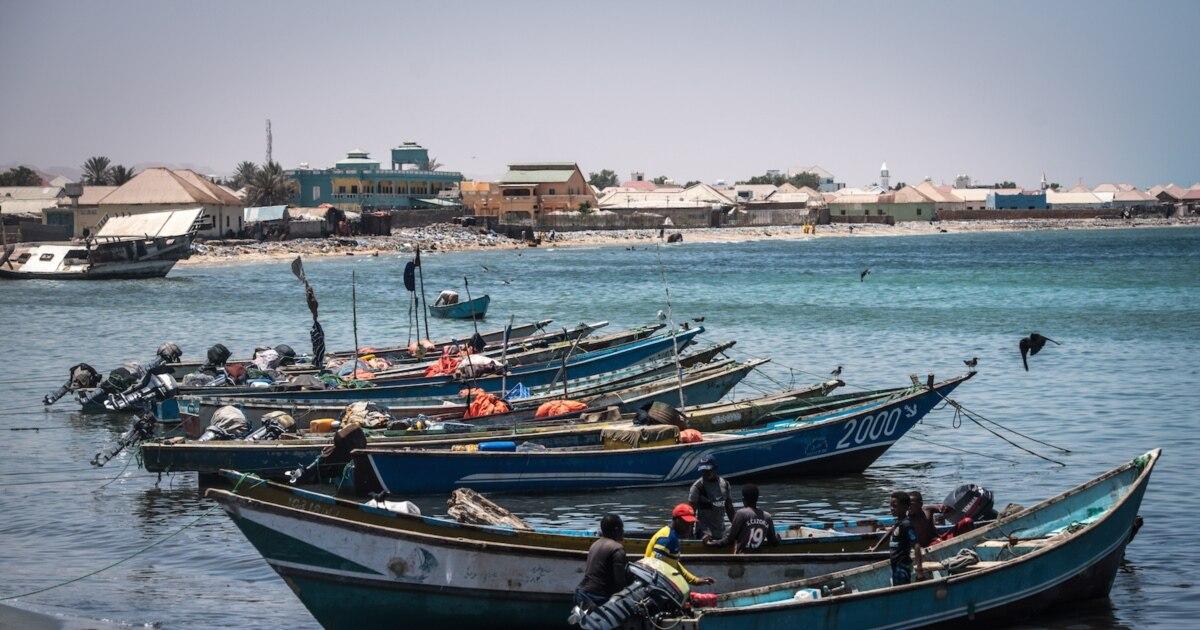
Bargal is a remote coastal town with community whose economy is heavily dependent on artisanal fishing. Despite the abundance of marine resources along the Puntland coastline, local fishermen often operate under significant constraints. These include limited access to modern fishing techniques, inadequate knowledge of fish handling and preservation, lack of safety practices at sea, and weak integration into structured market systems.
As a result, many fishermen experience low productivity, high post-harvest losses, and reduced income potential. These challenges not only affect household livelihoods but also limit the broader economic contribution of the fisheries sector to the local community.
In response, the project was designed to provide practical, hands-on capacity building tailored to the needs of small-scale fishermen. The intervention focused on improving fishing efficiency, enhancing post-harvest management, and promoting sustainable use of marine resources. By doing so, the project aimed to simultaneously address food security concerns and strengthen livelihood resilience in Bargal.
Reach and Community Engagement
The project directly engaged small-scale fishermen operating along the Bargal coastline, including both experienced fishers and youth involved in the fisheries value chain.
A community-based and participatory approach was central to implementation. Training sessions were delivered in practical, field-based settings, allowing participants to immediately apply new skills. This approach encouraged peer learning, strengthened collaboration among fishermen, and supported the formation of more organized and cooperative fishing groups.
The project also indirectly benefited households connected to the fisheries sector, including women involved in fish processing and local trade.
Outcomes and Impact
The project resulted in measurable improvements in skills, productivity, and community awareness:
• 120+ fishermen trained in modern fishing techniques, safety, and fish handling practices
• 75 households directly benefited through increased income opportunities
• 30% reduction in post-harvest losses due to improved preservation and handling
• Improved fishing efficiency, leading to increased daily catch potential
• Enhanced product quality, improving market value of fish
• Increased awareness of sustainable fishing practices and marine conservation
Long-Term Impact and Sustainability
The Fish for Feed Project contributed to strengthening the long-term resilience of the Bargal fishing community by building local capacity and promoting sustainable resource use.
By equipping fishermen with practical skills and knowledge, the project enabled them to:
• Improve and sustain their income sources
• Reduce waste and maximize the value of their catch
• Adopt environmentally responsible fishing practices
• Strengthen local cooperation and knowledge-sharing systems
The project also established a foundation for future fisheries development initiatives, with BARFISCO’s continued role in supporting the sector and IFES Institute Somalia’s experience in community-based capacity building.
Conclusion
The project demonstrated that targeted, community-based training interventions can significantly improve the productivity and sustainability of small-scale fisheries. Through strong collaboration between a local private sector actor (BARFISCO) and an implementing development institution (IFES Institute Somalia), the initiative successfully addressed key gaps in skills and knowledge, contributing to improved livelihoods and food security in Bargal town of Somalia.