- Start date
- 1 November 2022
- End date
- 30 November 2023
Project Overview
The Sustainable Fisheries Management Initiative was implemented in 2023 by IFES Institute Somalia, in partnership with the Puntland Ministry of Fisheries & Marine Resources, to support the long-term sustainability and economic viability of the fisheries sector in Bosaso.
Bosaso, as one of Puntland’s major coastal and commercial hubs, plays a critical role in the regional fisheries economy. The city hosts a large number of small-scale fishermen, fish traders, and related value chain actors who depend on marine resources for their livelihoods. However, increasing fishing pressure, limited regulatory awareness, and gaps in technical knowledge have posed challenges to both resource sustainability and income stability.
The initiative was designed to address these issues by combining capacity building, institutional support, and awareness-raising interventions. It focused on strengthening fisheries governance at the community level while equipping fishermen with the knowledge and skills needed to adopt sustainable and efficient fishing practices.
Reach and Community Engagement
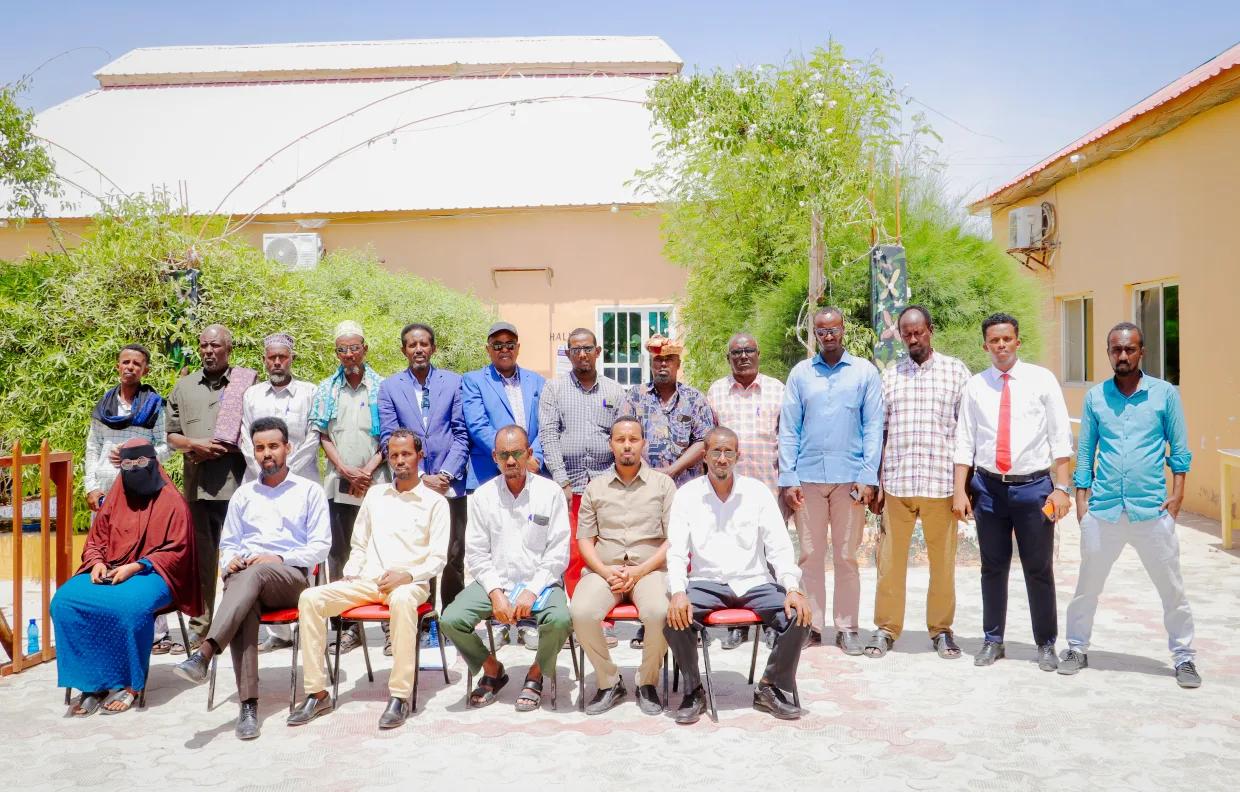
The project engaged a broad range of stakeholders within the fisheries sector in Bosaso, including:
Small-scale fishermen operating along the Bosaso coastline
Youth involved in fisheries and marine-related livelihoods
Fish traders and processors within the local value chain
Community leaders and local fisheries groups
A participatory and inclusive approach was applied to ensure active community involvement. Training sessions, consultations, and awareness campaigns were conducted in close coordination with the Puntland Ministry of Fisheries, fostering trust and strengthening linkages between government institutions and local communities.
Outcomes and Impact
The initiative contributed to both immediate and long-term improvements in fisheries management and livelihoods:
150+ fishermen trained in sustainable fishing practices and fisheries management principles
Improved compliance with fisheries regulations and increased awareness of legal frameworks
Enhanced community understanding of marine conservation and resource sustainability
Strengthened collaboration between local communities and the Ministry of Fisheries
Improved fishing efficiency and reduced harmful practices
Increased awareness across the fisheries value chain, including traders and processors
Long-Term Impact
The project laid the groundwork for a more sustainable and regulated fisheries sector in Bosaso by promoting responsible resource utilization and strengthening institutional engagement.
Key long-term contributions include:
Enhanced resilience of fishing communities through sustainable livelihood practices
Improved governance and community participation in fisheries management
Protection of marine ecosystems through increased awareness and behavior change
Strengthened role of fisheries as a driver of local economic growth and food security
Conclusion
The Sustainable Fisheries Management Initiative demonstrated the importance of integrating community-level capacity building with institutional collaboration. Through the partnership between IFES Institute Somalia and the Puntland Ministry of Fisheries & Marine Resources, the project successfully addressed critical gaps in knowledge, practice, and coordination.
By empowering local fishing communities and promoting sustainable approaches, the initiative contributed to safeguarding marine resources while enhancing livelihoods in one of Puntland’s most important coastal cities.